
Stormwater Brochure
Contact Adams County about events to make a difference, improve your neighborhood, and help the environment.
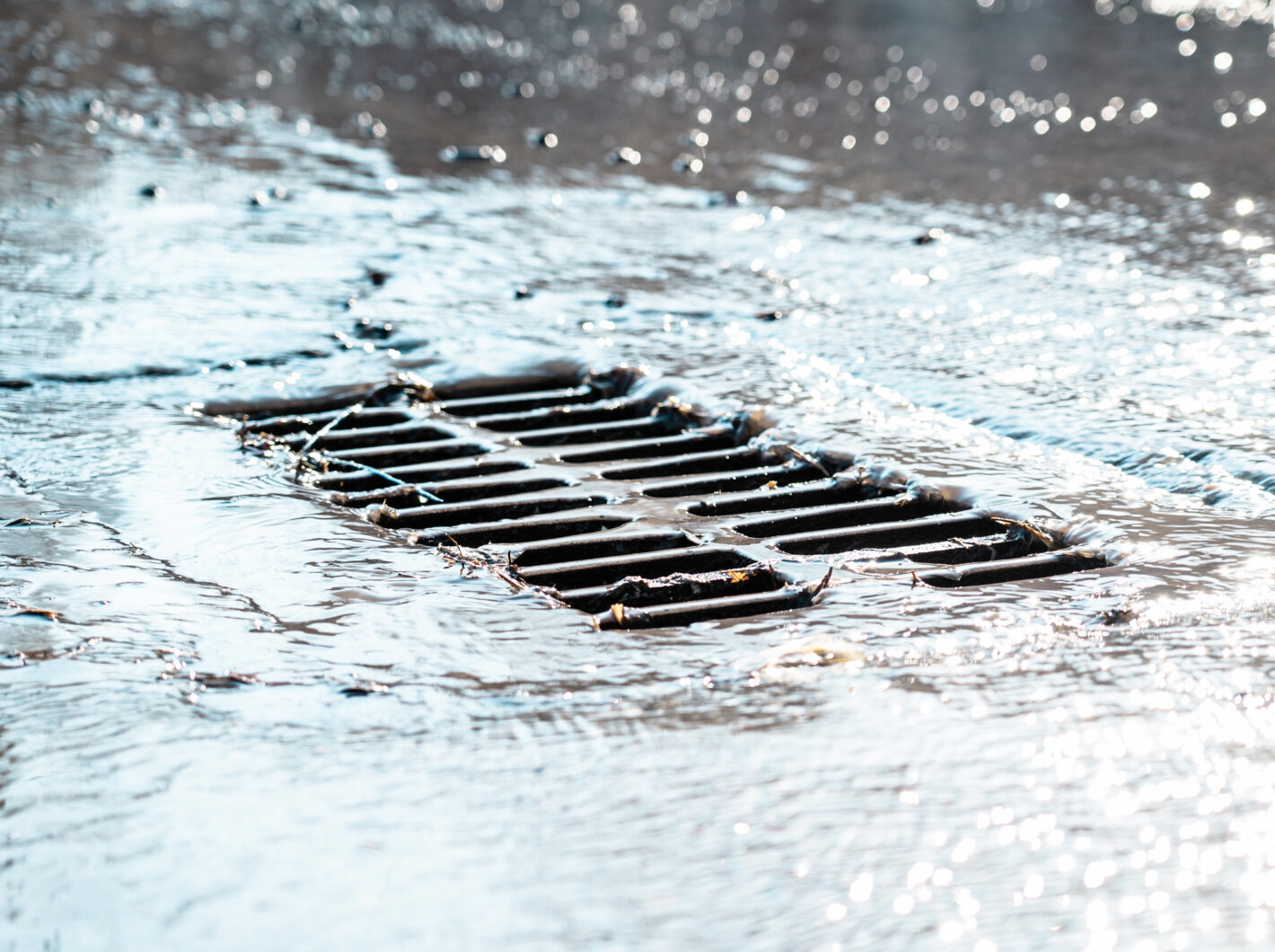
Pollutants from everyday activities can be washed into storm drains during rain, snowmelt, or lawn watering events. Remember – “Keep it clean, ’cause we’re all downstream!”
To report spills, call 720.523.6400.
Household Hazardous Waste
Recycle or properly dispose of chemicals (pesticides, paint, solvents, used motor oil, and auto fluids). Don’t pour them on the ground or into storm drains. Participate on the Adams County Household Hazardous Waste (HHW) Roundup for disposal of these products.
The storm drain system conveys rainwater discharging directly into our local ponds and South Platte River. The storm sewer system also picks up urban pollution found on its way, affecting the water we use for swimming, fishing, and our drinking water source.
Outdoor cleaning activities may become an illicit discharge. Adams County prohibits illicit discharges into the storm sewer. Implementation of good practices will help us keep our stormwater clean:
| Activity | You Can Help! |
| Lawn and Garden When it rains, fertilizer runs off your lawn into storm drains and streams can harm people and animals. | - Don't overwater your lawn. Consider using a soaker hose or drip irrigation instead of a sprinkler. - Use pesticides and fertilizers sparingly. - Don't fertilize before it rains. - Consider using natural fertilizers such as compost or bonemeal. - Select pest-resistant plants or try companion plantation to reduce the need for garden chemicals. - Store landscaping materials or soil onsite, not in the street or paved area. Prevent soil from washing into the storm drain. |
| Home Construction and Maintenance Dirt from construction sites can cause excessive amounts of sediment and debris to be carried into storm drains. | - Sweep up litter and dirt from sidewalks and driveways. - When pressure washing outside on a hard surface, collect all water and pour into an indoor drain. - Prevent dirt from leaving the construction site. Seed and mulch bare areas as soon as possible. - Dispose of paint and cleaning materials properly. |
| Auto Care Washing your car and degreasing auto parts at home can send detergents and other contaminants through the storm sewer system. | - Use a commercial car wash that treats or recycles its wastewater, or wash your car on your yard so the water soaks into the ground. - If a spill occurs, use cat litter or sawdust to soak up fluid; then put it in the trash. - Pour soapy water down the sink, not on the street. - Recycle vehicle maintenance products. |
| Septic Systems/Onsite Wastewater System (OWS) Leaking and poorly maintained septic systems release nutrients and pathogens (bacteria and viruses) that can be picked up by stormwater and discharged into nearby bodies of water. Pathogens can cause public health problems and environmental concerns. | - Inspect your system every three years and pump your tank as necessary (every three to five years). - Don't dispose of household hazardous waste in sinks or toilets. |
| Pet Waste Pet waste contains bacteria that can end up in local waterways. | - When walking your pet, remember to pick up their waste and wrap it securely before putting it in the trash. |

